
What Is Glyphosate?
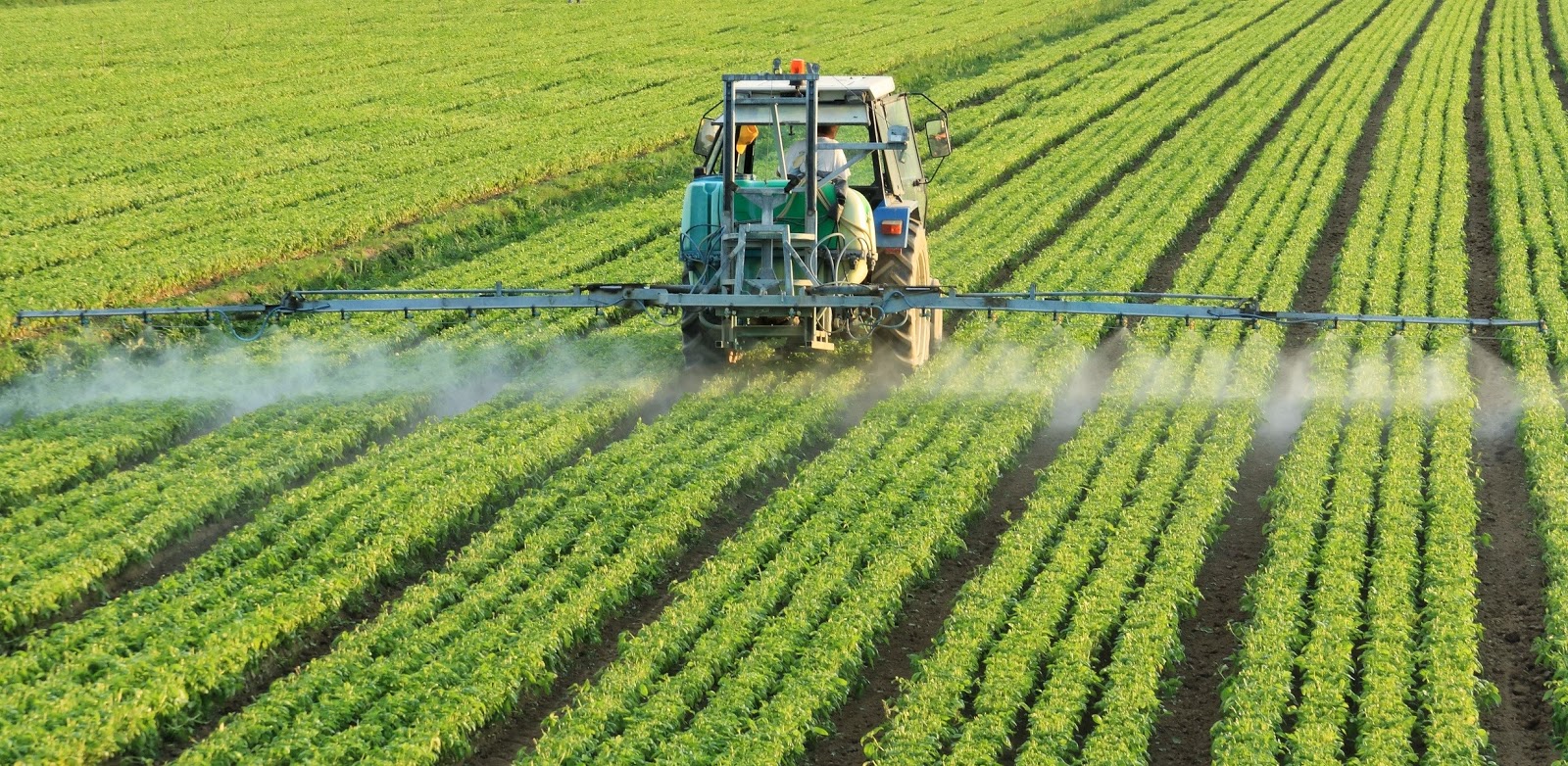
Glyphosate is a widely used herbicide (weed killer). It was first developed by Monsanto in the 1970’s and is the active ingredient in products like “Roundup”, now owned by Bayer. It is not only used to control weeds in agriculture but also to dry crops prior to harvesting. Even though some countries have banned the spraying of glyphosate, it is still the most heavily used herbicide worldwide.
Health Effects of Glyphosate
Cancer Concerns – Increased risk of non-Hodgkin’s lymphoma
Gut Biome Disruption – Alters bacteria balance, impacts immune function, causes inflammation
Endocrine (Hormone) Disruption – Estrogen or other hormone signaling, reproductive health
Liver & Kidney Stress – Liver enzyme changes, kidney stress, oxidative stress markers
Environmental – Soil health → plant health → human health connection, pollinators, biodiversity, water systems
What Can You Do to Reduce Glyphosate Exposure?
Dietary Changes – Choose organic, non-GMO and grass-fed products. Reduce intake of processed foods, alcohol, wheat, oats, legumes, corn and soy, which contain higher residues. Buy local and get to know your local farmer and their farming practices. Cook at home so you can control what you put in your body.
Produce Handling – Wash, scrub and peel fruits and vegetables thoroughly.
Water Safety – Use carbon filters or other high-quality filtration systems.
Clothing and Home Goods – Choose items that are made from cotton (organic if possible).
Environmental Exposure – Avoid using herbicides in your home, garden or on your lawn.
Energetic Interventions provides answers when no one else can.
Blog
Glyphosate: What’s Really Being Sprayed on Our Food?
Thank you for sharing. What’s better for produce washing? Water and baking soda or water with vinegar?